
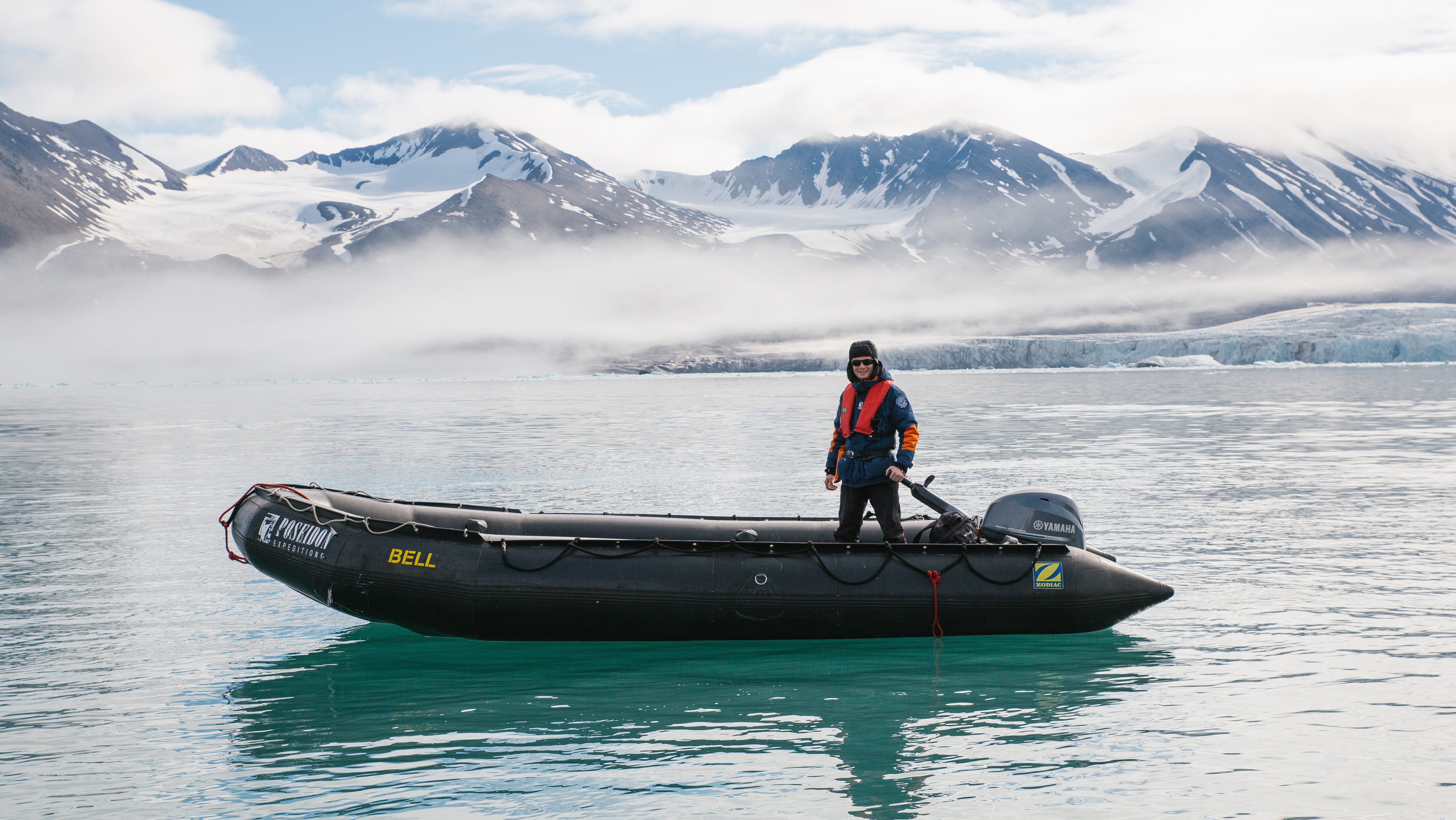
I’m a geographer and conservation professional based in Sydney, Australia specialising on conservation planning, strategy, and research, with a particular focus on marine protected area design and implementation.
Since 2008, I’ve been deeply involved in the polar regions.
I studied geography with a focus on biogeography and biomonitoring at Lomonosov Moscow State University.
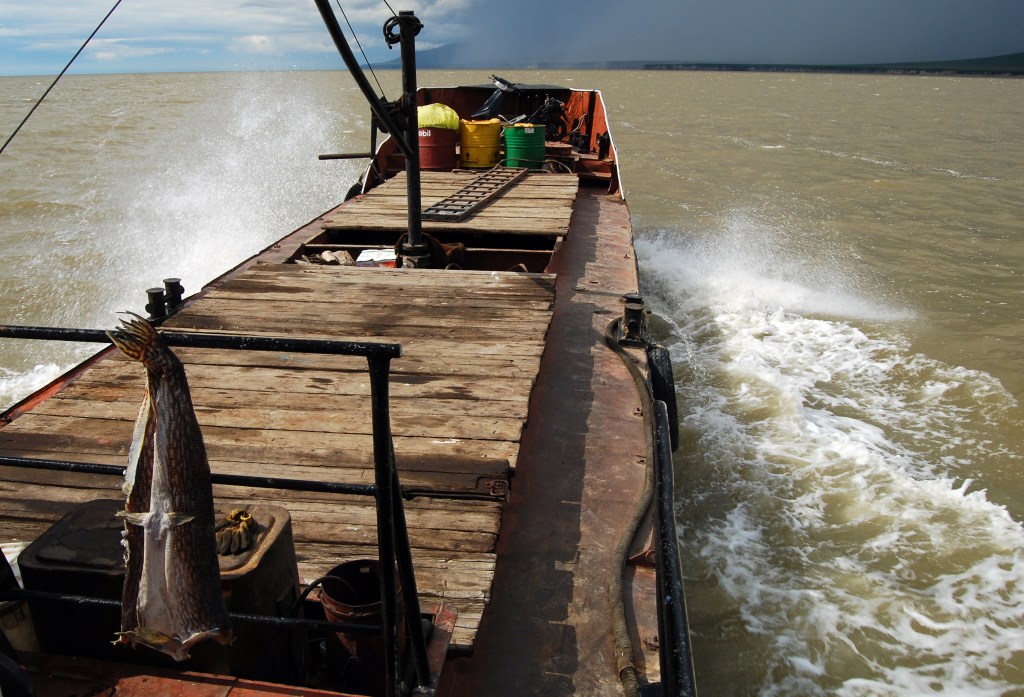
After my formal education, I worked as a marine mammal researcher at the Severtsov Institute of Ecology and Evolution of the Russian Academy of Sciences. Over the years, I spent extensive time at sea, conducting research on marine mammal migrations and distribution, particularly beluga whales, across all the Russian Arctic Seas and the North Pacific. These experiences not only deepened my love for the ocean, gave me first-hand understanding of marine and coastal environments, but also allowed me to connect with the people living in remote coastal communities and better understand their needs and struggles.
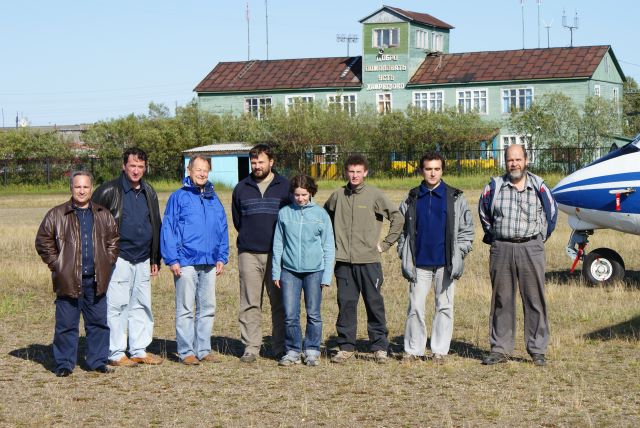
Later, I transitioned to systematic conservation planning for the Russian Arctic Seas, coordinating a team of scientists to design a network of priority areas for conservation and identify appropriate conservation and monitoring measures for these areas. This effort led to the establishment of two MPAs, with several other areas are in the process of designation. I was a part of this in my capacity as a senior project manager for WWF Russia. In this role, I expanded my expertise to cover various conservation aspects, including other effective area-based conservation measures (OECMs), shipping regulation in the context of the Northern Sea Route development, tourism regulation (with a focus on whale watching). I was involved in the Antarctic conservation and advocacy work too. Additionally, I played a part in shaping WWF Russia’s conservation strategy, particularly the marine aspects.
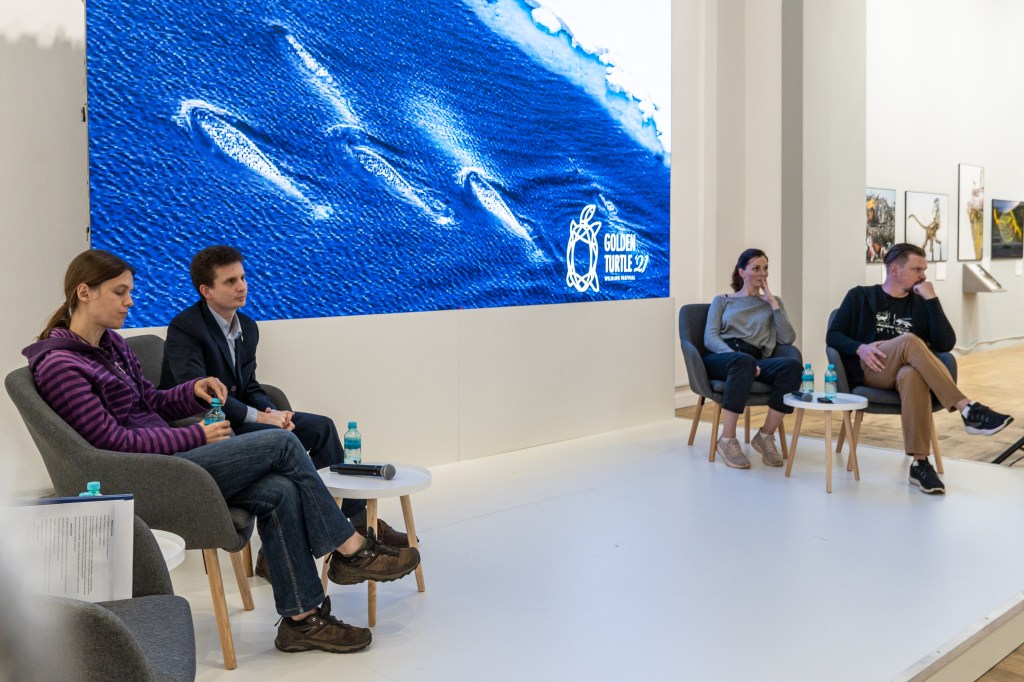

Our success in the Russian Arctic Seas laid the groundwork for the WWF Global Arctic Programme’s ambitious project, ArcNet—an Arctic Ocean Network of Priority Areas for Conservation where I oversaw the scientific analysis. The resulting network is WWF’s vision of how 30% of the ocean can be protected in the Arctic by 2030 and an example of how it can be done in other parts of the ocean. Despite my departure from WWF Russia in 2022, I continue to contribute to ArcNet as a consultant developing online tools for conservation prioritisation and stakeholder engagement.
My latest milestone was being selected as a member of the Edinburgh Ocean Leaders Programme in 2022. Participation in the programme helped me to put my work in the context of the global ocean conservation community.
Additionally, since 2013, I’ve been guiding onboard of small expedition cruise vessels resulting in more than 30 trips to the Arctic and Antarctic.

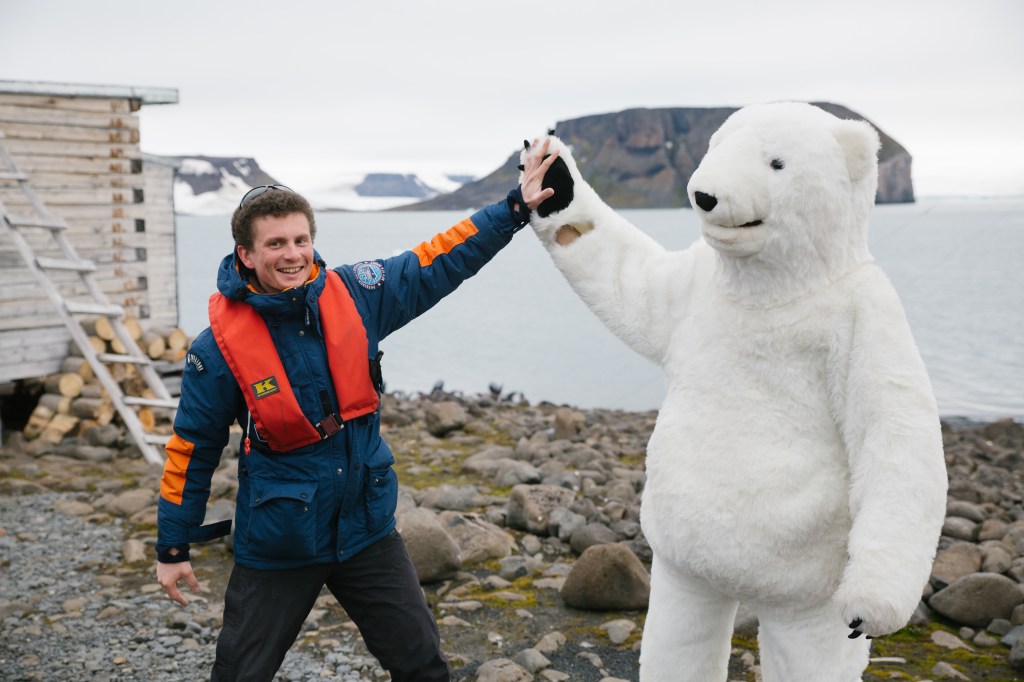
My work in the Arctic, Antarctic and the North Pacific as a marine mammal researcher, an expedition guide and a manager provided me an understanding of the regional problems from the perspective of science, business, local communities, and regional and national authorities.
It also led me to the understanding that conservation problems are complex and require a holistic, interdisciplinary solutions. There are no simple, single-bullet answers to conservation challenges. Conservation is not about quick fixes; it’s about long-term, step-by-step, systematic collaboration among individuals and institutions, fostering trust and cooperation across diverse interests and geographies.
This philosophy guides my commitment to ocean conservation and the pursuit of a future where we all care about our common planet.
 Systematic Conservation Consultancy