Conservation in the Age of Tech Giants: Time to Rethink Our Strategies

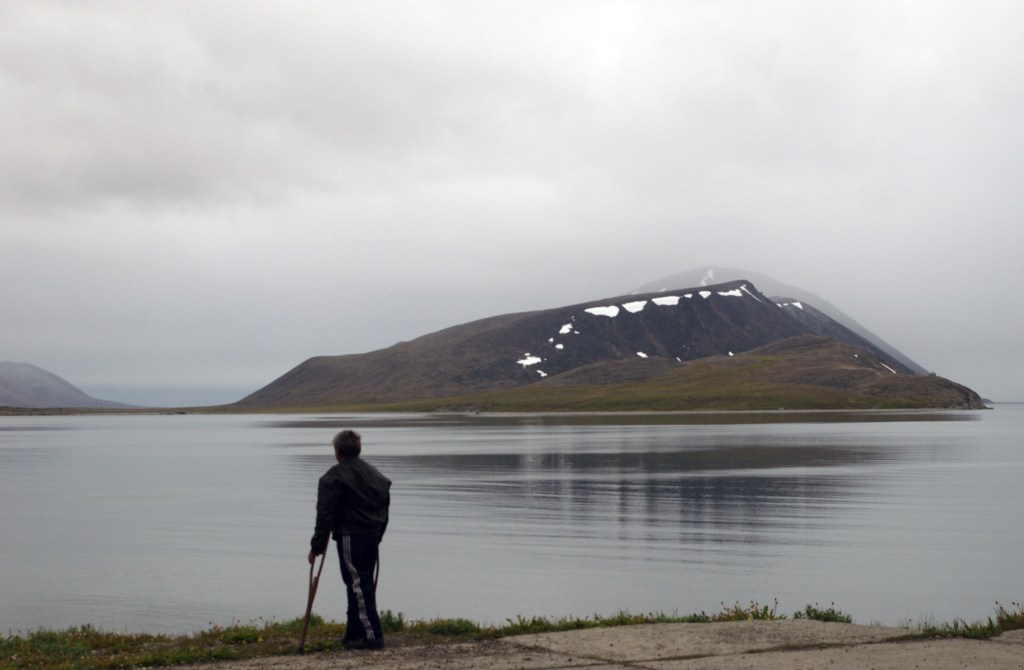
Rushing full-speed into the future. On the streets of Korf, Koryakia, Kamchatka, Russia © Boris Solovyev, 2010

As conservationists, we often rely on partnerships with tech companies for data, funding, and innovative tools. 

Recently, I’ve started asking myself: what if these alliances unintentionally changing conservation in ways that go against our core values?

I wonder if the nature conservation community has sufficiently reflected on, and positioned itself appropriately regarding, the long-term risks and impacts posed by the rise of transnational tech corporations like Alphabet, Meta, Amazon, OpenAI, and their influential leaders—figures such as Jeff Bezos, Elon Musk, Peter Thiel, and Mark Zuckerberg. These companies and individuals are shaping global policies, technologies, and economies, with significant implications for nature conservation and management.

Historically, we have welcomed new technologies as allies and partners. Indeed, they provide tools and opportunities for traceability, monitoring, law enforcement, and funding for conservation efforts. However, this embrace has largely been tactical and reactive—focused on immediate benefits—without fully assessing the long-term challenges these corporations and technologies present.

Now, as Donald Trump prepares for his second term, the power these corporations wield has become undeniable, even to those who had not closely followed their rise. Figures like Peter Thiel and Elon Musk have played pivotal roles in shaping Trump’s administration. Peter Thiel, a major Republican donor and ideological influencer, has propelled his protégé JD Vance—now Vice President-elect—into the political spotlight. Meanwhile, Elon Musk, appointed to lead the newly established Department of Government Efficiency (DOGE), exemplifies the tech sector’s deepening entanglement with governance.

This convergence of technology and politics signals a broader shift: a dual process where technological advancements go hand in hand with the consolidation of political and economic power by the tech sector. The year 2024 could be pivotal—not only due to the return of Trump’s administration but also because of the accelerating influence of generative AI in all aspects of life.

What could this mean for the Earth’s ecosystems, for nature itself?

Some of the risks we should consider:

  1. Exemption from Regulations: Unlike state actors or traditional industries like agriculture, transportation, or extractive sectors, tech companies operate in largely unregulated spaces, exploiting gaps in governance.
  2. Neglect of Global Commons: Tech corporations, by design and definition, prioritise proprietary systems over the stewardship of shared resources, leading to significant impacts on global commons.
  3. Opaque Decision-Making: Tech companies often operate behind closed doors, leaving little transparency about how decisions are made or who is impacted. This lack of accountability makes it difficult to gauge their true environmental and societal impacts.
  4. Reactive Problem-Solving: Tech leaders are known for short-term, tech-optimistic approaches that often overlook broader ecological and societal consequences.
  5. Exploitative Practices: Poor treatment and exploitation of employees, workers, and communities remain hallmarks of many tech giants and the gig economy.

The rise of the tech giants is causing the following impacts:

  1. Erosion of Accountability: Existing civil society and state institutions—designed to provide checks and balances—are increasingly bypassed, leaving tech corporations to set new rules and orders.
  2. Resource Exploitation for Selective Benefit: Tech giants are arguably just as resource exploitative as traditional industries. The escalating energy consumption of IT infrastructure (e.g., the power required for internet services and AI data centers) and the growing demand for critical elements (e.g., rare earth metals for batteries) are often unchecked—and sometimes even celebrated as “clean” alternatives to the fossil fuel economy. However, this shift risks exploiting nature for the benefit of a privileged few, while sidelining wider communities and leaving them to bear the externalities.
  3. Loss of Leverage: Conservationists and environmental advocates may find themselves excluded from governance, consultation, and management systems that are evolving far faster than our ability to adapt.

This raises the critical question:

Conservation for whom? Are we becoming agents of conservation for the privileged few, supporting their interests and the emerging world order while ignoring broader societal and ecological needs? If we continue business as usual, embracing power of the big tech and the new technologies for conservation without reflection on the wider context and consequences of these alliances, we risk cementing this role—acting as agents of conservation that prioritise the interests of the privileged elites while sidelining broader, more equitable goals.

Call to Action:

What can we as a conservation community do?  While we cannot halt the rapid pace of technological development or political shifts, we must become conscious of their broader implications and take proactive steps to ensure that our ultimate goal of conservation for all humanity is not compromised.

  1. Reflect on the importance of the tech sector in long-term conservation strategies and organisational structures: We urgently need to review our strategies and work plans to incorporate the shifting power dynamics toward tech giants.
  2. Learn more about how the tech sector impacts nature: Invest in more dedicated research and deeper environmental assessments of the tech sector’s actions.
  3. Change the approach to partnerships with tech companies: This potentially requires developing frameworks to evaluate such partnerships based on transparency, accountability, and alignment with conservation goals.
  4. Work with communities to strengthen civil society: We need to work even more closely with other civil society groups, communities, and state actors to address emerging issues collaboratively.
  5. Participate in regulation development: Advise and lead on regulations steering the tech sector away from nature-harming practices.

I believe it’s time—even though it is almost too late—for a broad, inclusive, and deep discussion that goes beyond traditional frameworks to ensure our conservation efforts serve all of humanity—not just the interests of a select few, as the tendencies show.

What do you think? How can we, as a conservation community, ensure the risks and opportunities brought by the rising tech giants do not undermine our efforts to protect nature for everyone?
The Lawless Ocean and What It Tells Us About Ourselves

Recently, I was invited to present a series of lectures on biogeography and biodiversity aboard a small expedition ship, where I was responsible for my own educational program. This time, I decided to take a bold step and introduce a topic that wouldn’t typically find its way into an expedition cruise’s edutainment schedule. Inspired by Ian Urbina’s powerful book The Outlaw Ocean and my own experiences at sea, I prepared a presentation on the darker side of the world’s oceans.

To prepare the talk, I delved into the murky waters of smugglers and slavery, pirates and corruption, shaky borders and hypocrisy, overfishing and poaching, dark fleets, harmful fisheries subsidies, forced migrations, and more. The sheer volume of injustices in the ocean is staggering, and as I worked on my presentation, I realised I could spend the entire week on board just sharing these stories. But eventually I had to condense and focus, asking myself two critical questions:

  • Why is there so much lawlessness in the oceans?
  • How can we change this?

Why So Much Lawlessness?

To me, the answer lies in three fundamental aspects of the ocean:

  1. Its Otherness: We are terrestrial creatures. The ocean exists “somewhere out there,” beyond the horizon, out of sight and out of mind. Even today, it remains a “no man’s land” in many ways. Where jurisdictions exist, they are often convoluted, with overlapping stakeholders that make accountability elusive.
  2. Its Immensity: The ocean is unimaginably vast. Its scale defies comprehension, making enforcement of laws and regulations incredibly difficult.
  3. Our Lack of Knowledge: The ocean is one of the least understood places on Earth. A recent study by the Global Fishing Watch shows that 75% of the global industrial fishing go untracked publically, and it is common knowledge that the ocean floor maps are much worse than the maps of the Moon surface.

These factors create an environment ripe for injustice and lawlessness—a vast, distant, and poorly understood domain where accountability is easily avoided.

Can Things Change?

The tides are shifting, and it happens quite quickly. Satellites, the internet, and AI are shrinking the ocean, making it more accessible and activities there more transparent. For example, not long ago, having the internet on board was a luxury; I remember lively evenings in the ship’s bar where passengers shared their day’s experiences face-to-face. Now, even the most remote corners of the ocean passengers find themselves staring into their screens. 

But while technology brings the ocean closer, will it make it more just? Unfortunately, I’m sceptical. Look at the state of our continents— hypocrisy, exploitation, slavery, corruption, and violence are flourishing here. Why would the ocean be any different?

The changes we see may not replace injustice but institutionalise it. Romanticised notions of pirates and outlaws will give way to organised crime and whitewashed exploitation by the corporations and the states. Bandits will be replaced by cartels; chaos will give way to structured but still oppressive systems.

The Real Solution

The ocean’s problems cannot be solved in isolation—they must be addressed on land. The root causes of injustice in the ocean realm—greed, inequality, poverty, and exploitation—are deeply embedded in our societies. Ocean conservation efforts will fall short unless we address these issues here, in our communities, with our neighbours, and by supporting those in need. Protecting the ocean begins with protecting and nurturing humanity wherever we are.

I shared this lecture on the final day of the voyage with a packed audience. The response was overwhelming: lively reactions, lots of questions, and praise from many who said it was the best presentation of the trip.

It was a powerful reminder that people are ready to engage with complex, confronting, and uncomfortable topics. These conversations matter—not just for understanding the state of our oceans but for reflecting on the systems we perpetuate on land. The ocean’s plight is deeply connected to our actions, our values, and our societies. And perhaps, by starting conversations like these, we can begin to make a difference—both for the ocean and ourselves.

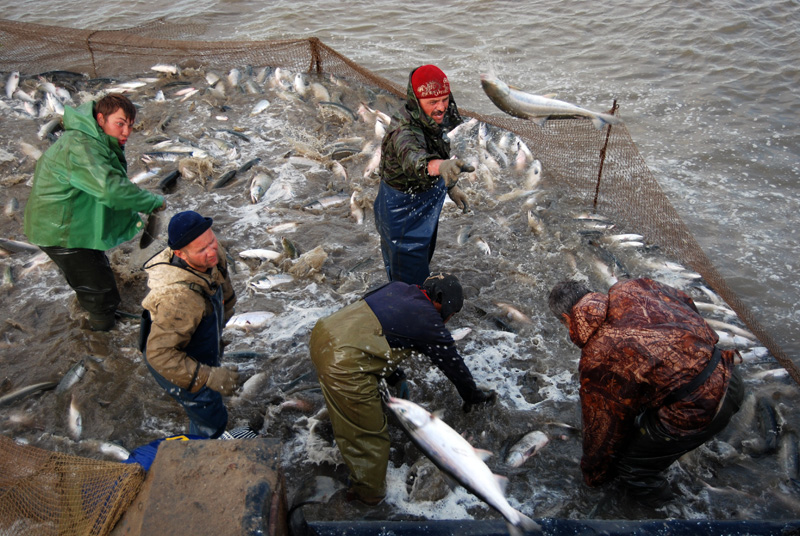
Fishermen in the Sea of Okhotsk © Boris Solovyev

A Worrying Sight: The North Pole Without Ice

How do you imagine the North Pole? Well, this is how it looked on 1st August 2024, when the Le Commandant Charcot arrived there. No ice—just open water stretching for miles and miles around the pole. Sea ice is always drifting, so conditions can change with ice moving in from the south. However, this image is highly symbolic. It’s a dramatic departure from the North Pole scenes we’re familiar with.

A glimpse of the future Arctic, and it’s deeply concerning…

The North Pole, 1 August 2024: Open water and no ice in sight © Alexandra Morozova

Closing the Loopholes in the IMO’s HFO Ban: A Call for Comprehensive Action to Protect the Arctic

On 1 July 2024, the International Maritime Organization (IMO) will implement a ban on the use and carriage of heavy fuel oil (HFO) as fuel in Arctic waters. This regulatory step, often referred to as the HFO ban, is a significant milestone in efforts to protect the fragile Arctic ecosystem from the devastating effects of HFO spills. However, the current scope of the ban is limited, covering only 16% of the HFO burned and 30% of the HFO carried as fuel in the Arctic. This excludes cargoes of HFO, as highlighted by Comer et al. (2020), leaving critical gaps in the protection of these sensitive marine environments.

The limitations of the ban underline the urgent need to close existing loopholes and advocate for a full ban on HFO in the Arctic. While this is a crucial step, immediate interim measures must also be taken to mitigate the risks. Implementing area-based conservation measures and spatial planning, including route planning, is essential to keep ships away from the most sensitive areas. These steps are vital to ensure that the Arctic ecosystem is safeguarded from potential HFO spills and their harmful impacts.

Fortunately, there is sufficient data and the necessary tools available to start implementing these protective measures now. Our most recent working paper, “Mapping the Threats of Carrying and Using Heavy Fuel Oil in Arctic Marine and Coastal Areas,” highlights regions of highest conservation concern caused specifically by HFO-fuelled shipping in the Arctic. It calls for prompt action to address these threats, particularly as shipping activities in the region continue to increase.

Shipping Traffic of Carrying and Using HFO from 2021 to 2023 (Tracy et al., 2024, p. 11) © WWF Global Arctic Programme
Areas of Elevated Conservation Concern in Arctic Marine and Coastal Areas (Tracy et al., 2024, p. 14) © WWF Global Arctic Programme

References:

Comer, Bryan, Liudmila Osipova, Elise Georgeff and Xiaoli Mao. 2020. The International
Maritime Organization’s Proposed Arctic Heavy Fuel Oil Ban: Likely Impacts and
Opportunities for Improvements
. ICCT White Paper

Tracy, Elena, Andrew Dumbrille and Boris Solovyev. 2024. Mapping the Threats of Carrying and Using Heavy Fuel Oil in Arctic Marine and Coastal Areas. WWF Global Arctic Programme Working Paper

Breakthrough for Arctic Marine Conservation: Ocean-Scale Network Design and Pathway for Its Implementation Has Been Published

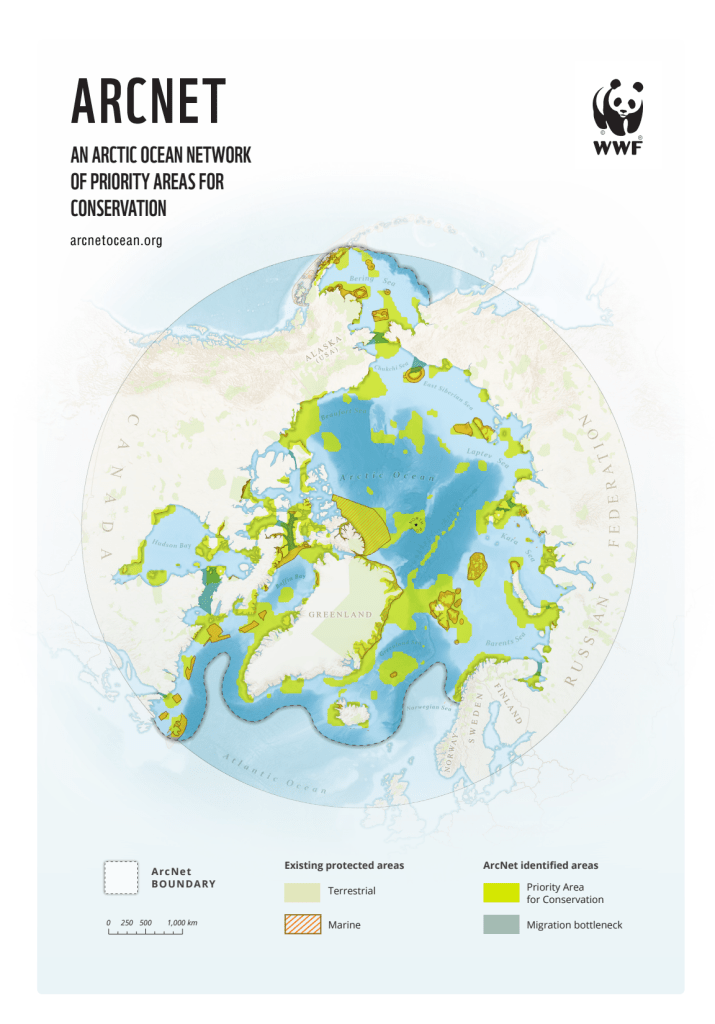
Today is an important milestone for ArcNet as we continue our pursuit of the ambitious conservation target of safeguarding 30% of the Arctic seas by 2030. I am happy to announce the publication of our paper, which showcases the world’s first ocean-scale conservation network and outlines the pathway for its implementation.

ArcNet – Arctic Ocean Network of Priority Areas for Conservation © WWF

Our work on this project began in 2017 under the leadership of the WWF Global Arctic Programme with the aim to identify a network of priority areas for conservation in the Arctic Ocean and to provide practical guidance on how to make sure these areas are protected. Back then, the Arctic landscape, both environmental and geopolitical, was notably different – cooler, less militarised, and less exploited. We worked with a sense of optimism believing that together we can overcome all the obstacles and reach the goal.

As a team of 34 authors representing 30 different organisations from the five Arctic coastal states, and with even more numerous supporters, we have navigated not only through obvious difficulties associated with the scale of the task, but also through the seismic shifts the Arctic landscape experiences during the recent years.

As I reflect on the changes that have swept through the Arctic and the world, I recognise the heightened urgency of our mission. The Arctic, once characterised by its pristine wilderness, now grapples with rising temperatures, heightened activity, and geopolitical tensions. Arctic is now a place where trust is undermined, and which is increasingly seen as a battleground for competing interests. The region is changing with dramatic pace and its inhabitants, and their wellbeing are at risk of being neglected.

In the world we are in now it is even more important to protect the ecosystems which serve as the very basis for our well-being as a species and therefore I believe this paper is increasingly relevant.

When ecosystems crucial to our survival are under threat, protecting the Arctic assumes paramount importance. The region stands is teetering on the brink of irreversible change. However, there is still hope—a fleeting opportunity to safeguard its future.

Our paper delivers a timely message: whole-Arctic scale conservation is achievable, and the tools for its implementation are within reach. Moreover, there exists a community of practice ready to embrace this approach. The science is clear, and the time for action is now.

Collaboration, at every stage and scale, is imperative, and our paper serves as a guide – both in theory and in practice.

Whether you’re a member of a coastal community, a scientist, a concerned citizen, a business leader, an investor, a policymaker, a student, or an artist, there’s a vital role for you to play in shaping the future of the Arctic. Join us in this pivotal moment, as we strive to protect one of our planet’s most precious ecosystems.

Arctic Ocean © Boris Solovyev

Ocean Conservation in the Troubled World

Another dictator has initiated yet another episode of ethnic cleansing. Yesterday marked the commencement of another war. Regrettably, this is not the first nor the last conflict on our planet, and evil seems to prevail again. How should we respond? At the very least, let’s not pretend that everything is normal and that we can carry on with our daily lives as if such events don’t concern us. We mustn’t deceive ourselves. At the very least, we should call the things by their rightful names.

Preserving our oceans is intimately connected to issues of social justice and security, and depends on ethics and englightning power of education. It’s not just a mistake; it’s dangerous to ignore these issues while saying conservationists should narrow their activities and only focus on nature and science. This approach proved to be wrong so many times. That’s why I’m writing about the events in land-locked Karabakh in my blog, which is dedicated to systematic conservation of the oceans.

Providence Bay, Chukotka, 2011 © Boris Solovyev

Glimpses of Central Arctic Ocean during hottest summer on record


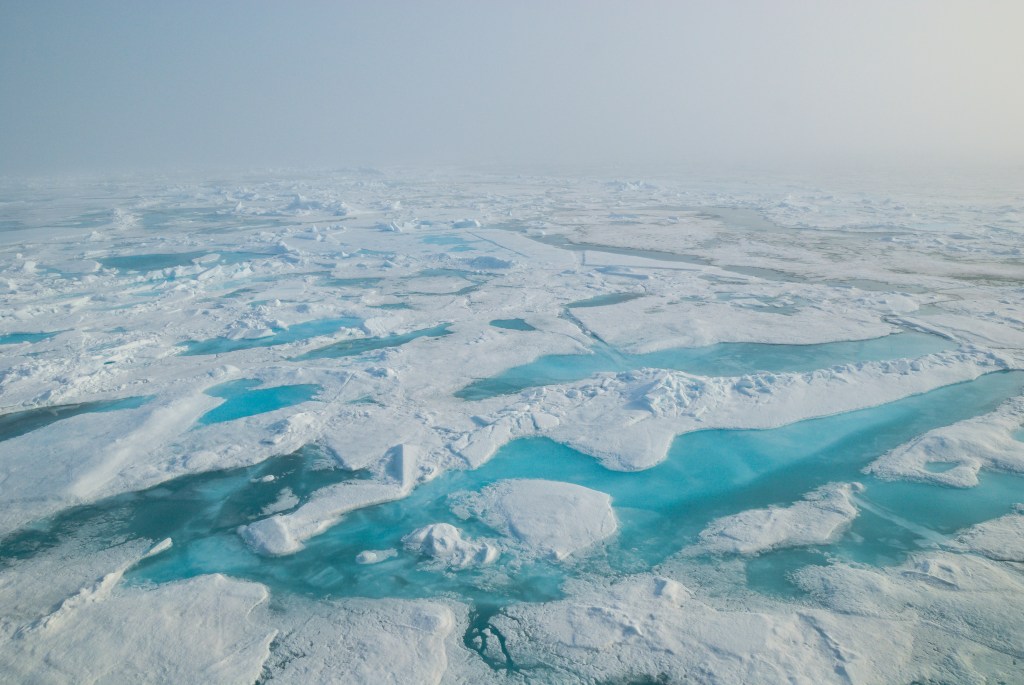
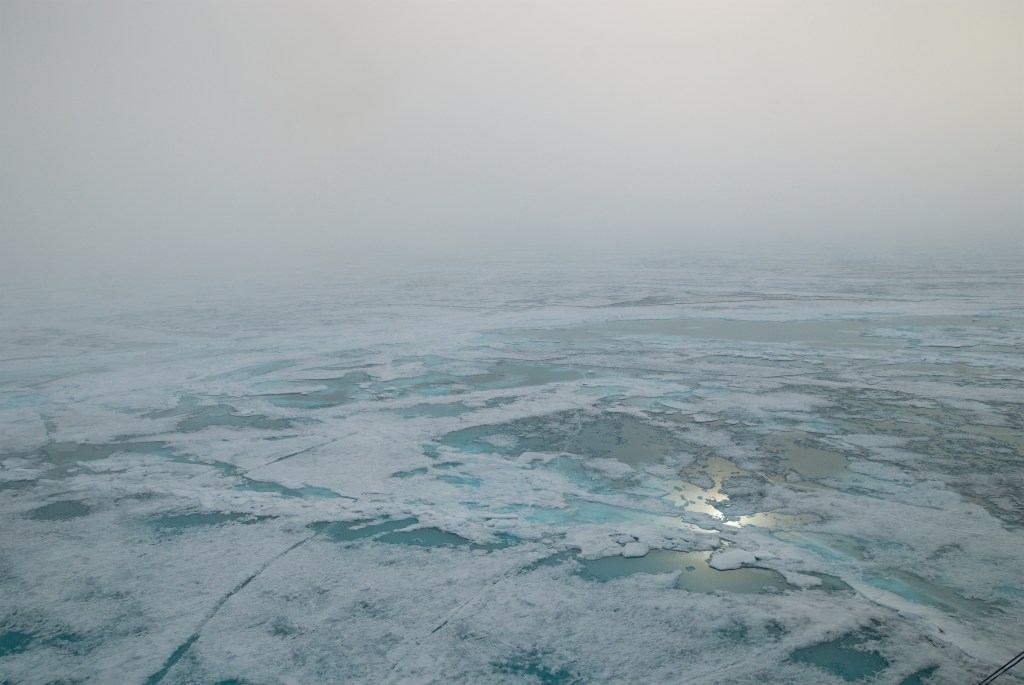
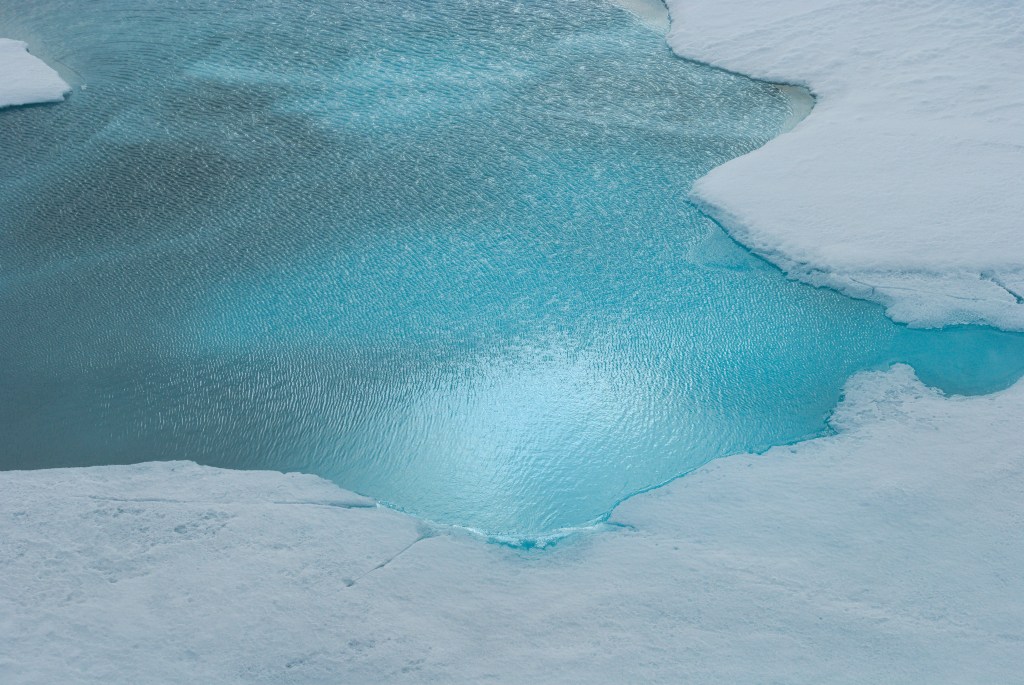
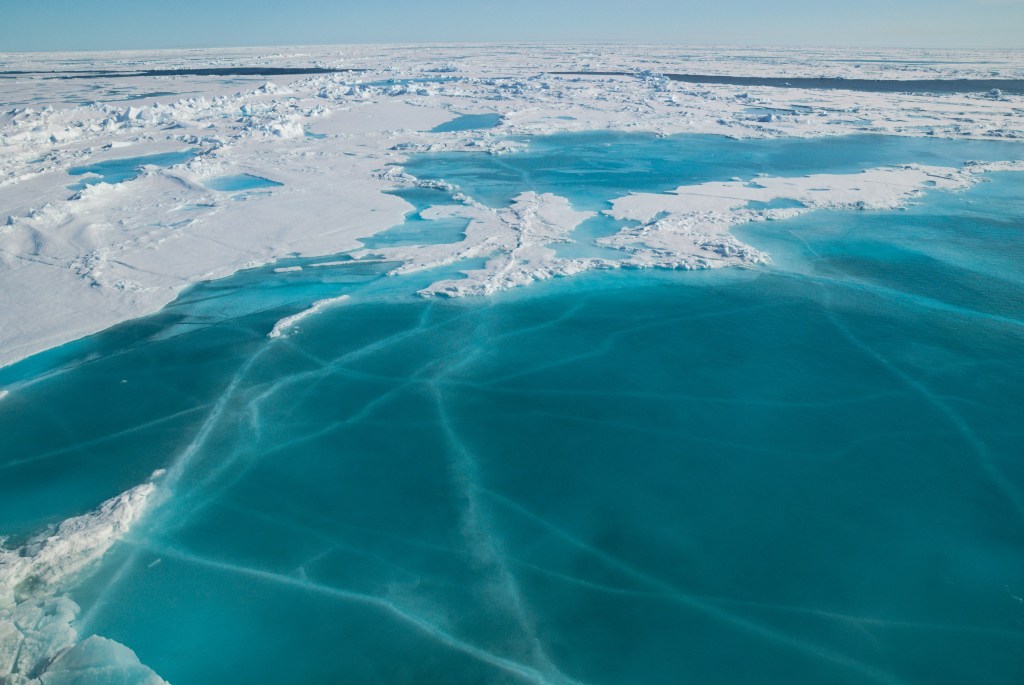
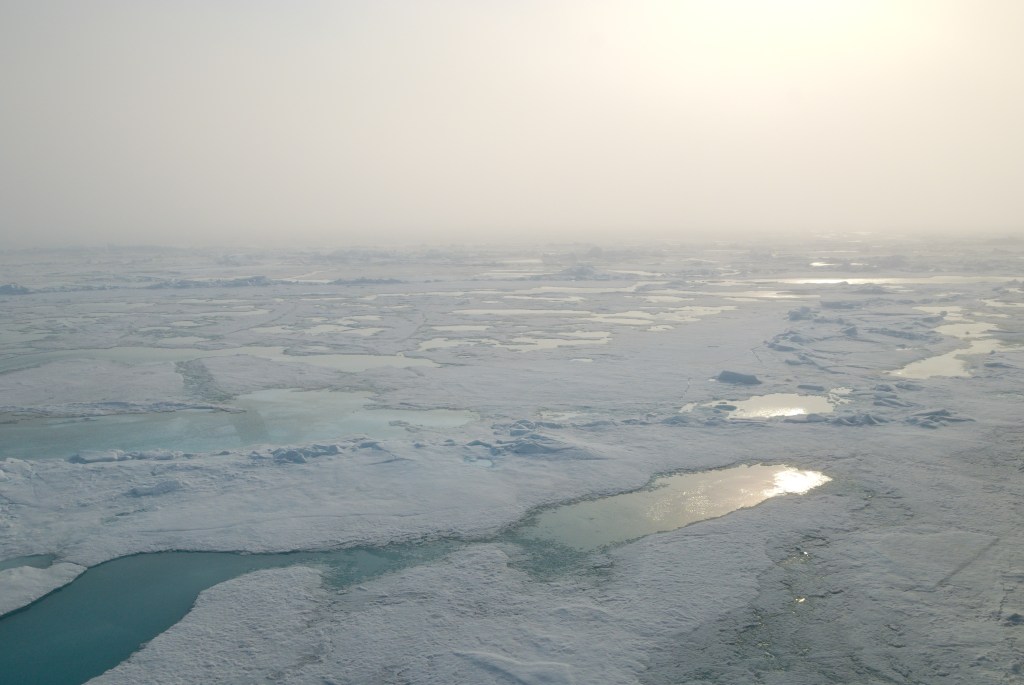
The vast expanses of multiyear sea ice in the Central Arctic Ocean form one of the world’s most magnificent landscapes (or better say, seascapes). Yet, it remains one of the most underrated and often overlooked landscapes. How frequently do we encounter it in the media or in art? Unfortunately, it’s also one of the most vulnerable and rapidly changing environments. Climate change isn’t just altering the extent of sea ice but also its structure and thickness. In just a few short years, this stunning landscape may become even rarer, or worse, vanish entirely if immediate measures to protect it aren’t taken.

Today, as the hottest summer on record was reported for the Northern Hemisphere, I’m sharing a glimpse of the Central Arctic Ocean’s beauty, captured during my recent expedition to the North Pole.